


‹
›
‹
›
PRODUCT DESCRIPTION
—— PRODUCT DESCRIPTION ——
β-Naphthalenesulfonic Acid-Formaldehyde Condensate/
Polynaphthalene Sulfonate Formaldehyde Condensate
Technical Data Sheet (TDS)
I. Product Overview
· Chemical name: Naphthalene Sulfonate Formaldehyde Condensate (NSF/SNF/PNS), a non-air-entraining high-efficiency water reducer.
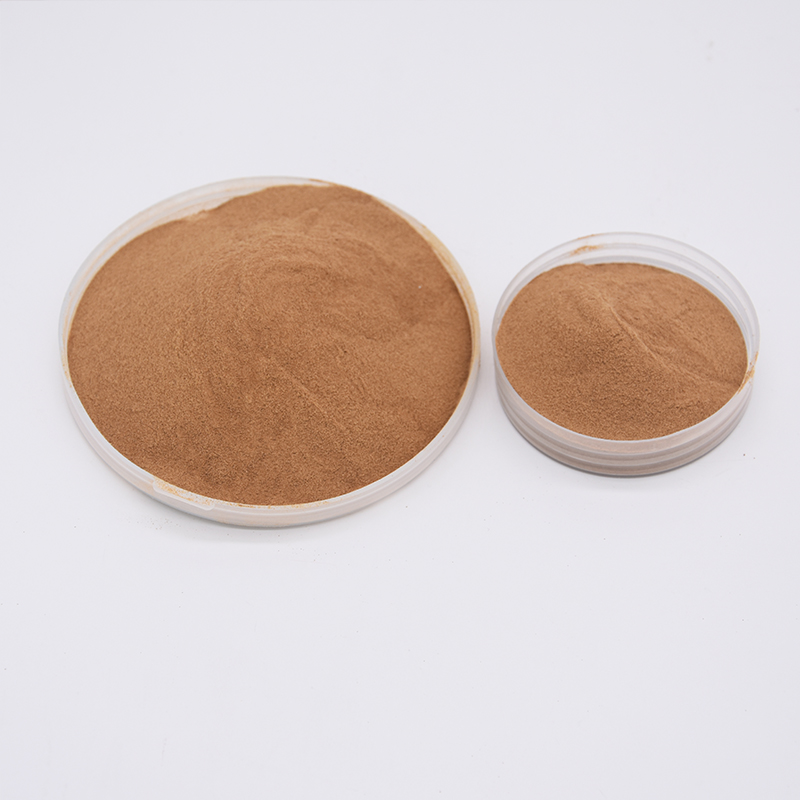
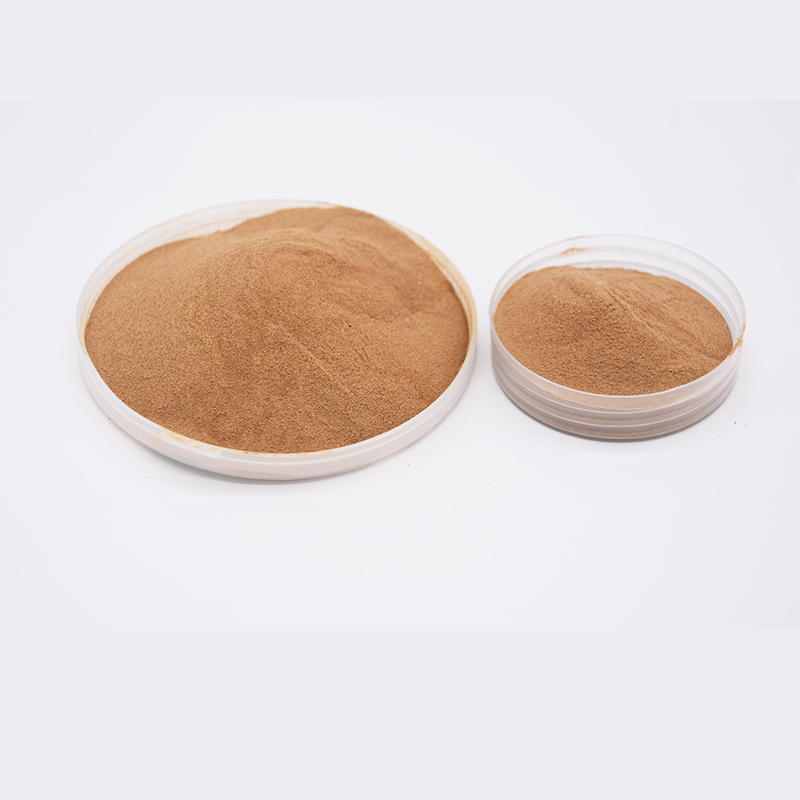
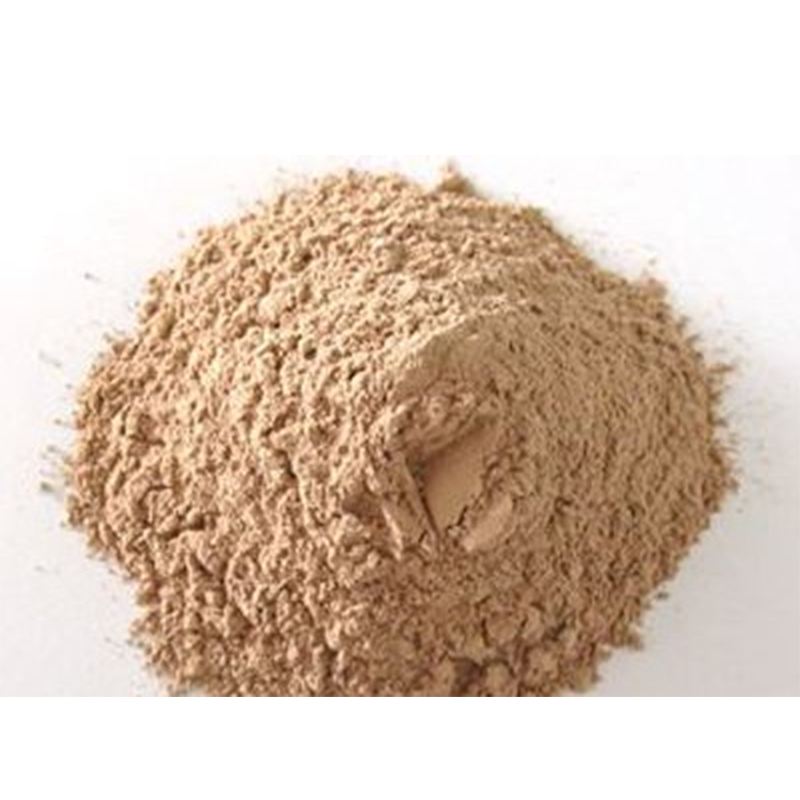
· Common form and color: The powder is brownish yellow/brown powder.
· Classify models based on sodium sulfate content and performance level (Low concentration type; Medium concentration type; High concentration type).
· It complies with Chinese standards GB 8076-2008 and GB/T 8077-2012.
· Typical applications: Suitable for prefabricated/concrete cast-in-place, pumped concrete, high-strength concrete, steam-cured concrete, and self-flowing concrete. It can also serve as a raw material for composite admixtures (e.g., when combined with early-strength agents, retarders, antifreeze agents, and pumping agents).
II. Key Technical Indicators
· Typical indicators (may vary by model. The following are common ranges and grades.)
· Performance Indicators of Concrete with SNF
III. Recommended usage and dosage
· The dosage range (based on the mass of the gel-forming material) is 0.5%–1.5% for powder. The recommended value for engineering applications is approximately 0.75% (for powder). The final dosage should be determined through trial mixing.
· Method of feeding: either simultaneous or post-mixing can be used. Post-mixing is generally more conducive to improving slump retention. Powder can be directly mixed or prepared as a solution. When directly mixed, it is recommended to appropriately extend the mixing time.
· Compatibility and Compatibility: It can be mixed with early strength agent, retarder, antifreeze agent, pumping agent, etc. to meet different working conditions. Adaptability test should be done before changing cement or admixture batch.
· Key construction points: Monitor slump loss over time (naphthalene-based systems tend to lose more quickly). When necessary, optimize workability by adding retarders, slump-retaining agents, or adjusting the water-to-binder ratio.
IV. Packaging, storage and transportation
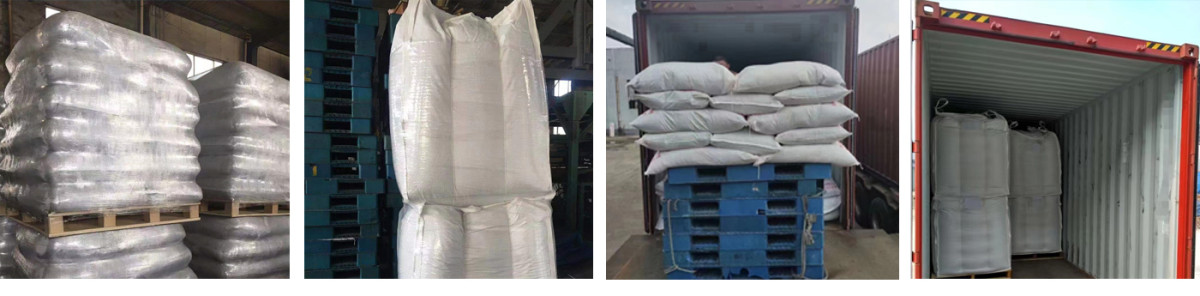
· Packaging: 25 kg/bag, 650 kg/bag (inner plastic, outer woven). During transportation and storage, protect from rain, moisture, and leakage. Avoid direct sunlight and high temperatures, and keep sealed.
· Storage period: Under ventilated and dry conditions, the typical shelf life is 24-36 months; after expiration, it can be used only after passing the concrete test.
· Safety note: This is a general chemical product. Avoid direct contact with skin or eyes. If contact occurs, rinse immediately with water. Not for food use. Keep away from children and food ingredients.
V.Scope of application and precautions
· Applicable to high flow/pumping, steam curing and prefabricated concrete, high strength concrete, etc.; good compatibility with Portland cement, slag Portland cement, fly ash cement, volcanic ash cement, etc.
· Note: Different cement and aggregate have obvious differences in the adaptability of admixtures. When using or replacing materials for the first time, test mixing and slump time evaluation should be carried out. For projects with high requirements for slump maintenance, it is recommended to use post-mixing or optimize with other functional admixtures.
PACKING AND SHIPPING
—— PACKING AND SHIPPING ——
SEND US YOUR INQUIRY
—— SEND US YOUR INQUIRY ——
RELATED SUGGESTION
—— RELATED SUGGESTION ——
Get a Free Quote
Need to chat?
Address: The company address is No. 88, Provincial Street
Tel: +86 18888888888
E-mail: name@email.com